
Symptoms of Sleep Apnea Mesquite
How Do You Know if It’s Sleep Apnea?
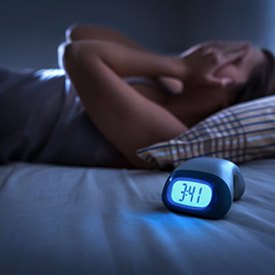
Obstructive sleep apnea is a fairly common condition, and yet millions of Americans go undiagnosed. Part of the reason for this is that it many sleep apnea symptoms seem similar to other issues, making it difficult to know whether you have it or not. Fortunately, a qualified professional like Dr. McKnight at OS Dental can help you identify potential warning signs! It all starts with scheduling an appointment for a sleep apnea consultation at our Mesquite dental office.
How to Identify Symptoms of Sleep Apnea

Determining whether your symptoms are chronic or periodic can be a huge step towards getting an accurate diagnosis. If your daytime drowsiness and nighttime restlessness seem to occur on a consistent basis, week after week, then there’s a good chance you’re dealing with something more systemic than occasional insomnia. You should check in with your primary care physician and sleep dentist in Mesquite to talk about your symptoms.
Most Common Symptoms of Sleep Apnea

Sleep apnea is characterized by poor sleep quality, which can cause several physical and emotional problems. These are the most common symptoms associated with the condition:
- Daytime drowsiness. When you don’t get enough sleep for multiple nights, it will become increasingly difficult to feel well-rested.
- Normally, sleep would give your body a chance to recharge. But if your rest is constantly disrupted, your body won’t have as much energy, and you may start to feel physically worn out.
- Frequent headaches. In response to your brain not receiving enough oxygen at night, the blood vessels widen, which can cause chronic headaches.
- Lack of oxygen also puts a strain on your heart, increasing your risk of high blood pressure and cardiovascular problems.
- When your brain jolts your body awake, it can trigger a flight-or-fight response. As apnea episodes continue to occur, your nervous system can become stressed and increase anxiety.
- Sleep apnea interferes with hormone regulation, including the ones that are responsible for helping you feel happy. If you’re more quick to anger than normal, that could be a sign you’re not getting enough rest.
Next Steps for Sleep Apnea Treatment

If you experience one or more of the symptoms listed above, the next step is to ask your primary care physician about scheduling an official sleep test. Sleep tests nowadays can be conducted in a lab or at home, and are more accurate than ever. Once you have a formal sleep apnea diagnosis, Dr. McKnight can create a personalized treatment plan for you that’s based on your sleep test results. The data recorded during this test will tell us whether your symptoms are mild or severe, which can help us pinpoint the best way to address your sleep apnea.